 Quick Line Food
The FTC cracks down on hidden delivery fees: what's changing in the US
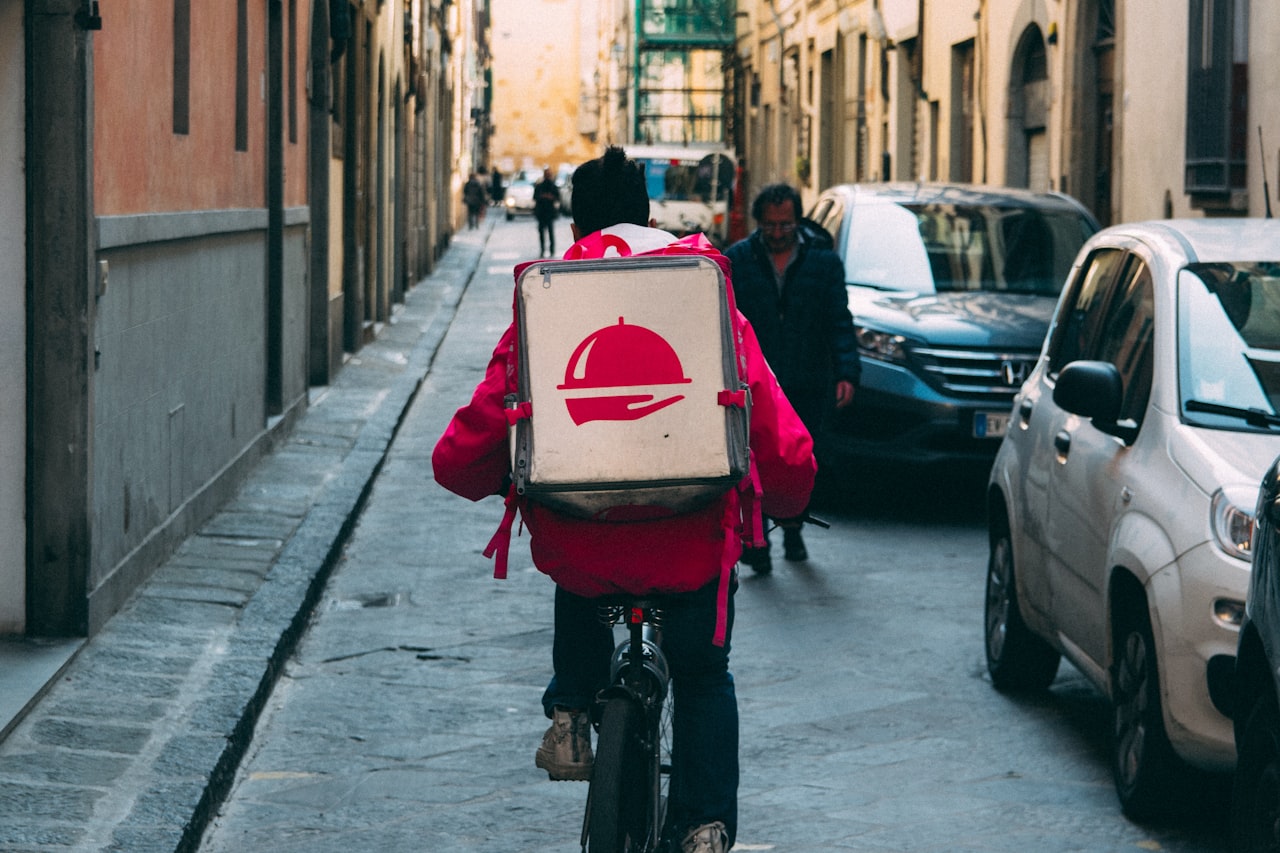
Delivery remains a key channel for American restaurants, but the rules around fees are changing. On April 10, 2026, the Federal Trade Commission (FTC) announced an advance notice of proposed rulemaking (ANPRM) on the fees charged by online food delivery platforms, with more than 60 questions open for public comment through May 18, 2026. It's the clearest signal yet that the way aggregators disclose their costs is under federal scrutiny.
What's at stake
At the center is fee transparency: commissions, service fees, small-order fees, and surcharges that are often hard for the customer — and sometimes even for the restaurant — to decipher. The FTC's idea is that the price shown up front should be close to the final price, without surprises that pile up only at checkout. It's the same principle behind the broader crackdown on "junk fees" that the agency is pursuing across multiple industries.
The precedents that matter
The FTC isn't starting from scratch. It has already taken action against the big players: Grubhub was required to clearly display all additional fees, while Instacart came under fire over advertising "free" deliveries that weren't always accurate. These cases point the way: those who hide costs during the ordering process risk enforcement.
Why it matters for your restaurant
More transparency means more awareness, on both sides. Customers see how much they're really paying in fees — and may prefer to order directly from the restaurant. Restaurant owners, for their part, are prompted to ask how much aggregator commissions really eat into their margin. Increasingly, the answer is to complement the aggregators with direct ordering channels, where the relationship with the customer — and their data — stays with the restaurant.
What changes, in practice
- More readable costs in the apps: fewer surprises at checkout for the customer.
- Competitive pressure toward direct ordering: if app fees are visible, ordering from the restaurant becomes more attractive.
- More focus on margin: with costs out in the open, it pays to have a low-commission channel ready to go.
What you can do now
The comment period will close and the rulemaking timeline will be long, but the direction is set. The time to build a direct channel isn't when the rule takes effect: it's now, while customers are starting to look at fees with new eyes. Already having an ordering site and a chat that takes reservations means being found ready.
Sources: FTC, Federal Register.
With QLF you get direct orders and keep customers and data on your side →
Il delivery resta un canale chiave per i ristoranti americani, ma le regole sui costi stanno cambiando. Il 10 aprile 2026 la Federal Trade Commission (FTC) ha annunciato un avviso preliminare di regolamentazione (ANPRM) sui fee delle piattaforme di consegna di cibo online, con oltre 60 domande aperte alla consultazione pubblica fino al 18 maggio 2026. È il segnale più chiaro finora che il modo in cui gli aggregatori espongono i costi è sotto esame federale.
Cosa c'è in gioco
Al centro c'è la trasparenza dei costi: commissioni, service fee, small-order fee e supplementi che spesso il consumatore — e a volte lo stesso ristorante — fatica a decifrare. L'idea della FTC è che il prezzo mostrato all'inizio dovrebbe essere vicino a quello finale, senza sorprese che si accumulano solo al momento del pagamento. È lo stesso principio della più ampia stretta sulle "junk fees" che l'agenzia porta avanti in più settori.
I precedenti che pesano
La FTC non parte da zero. È già intervenuta contro i grandi player: Grubhub è stato obbligato a mostrare in modo chiaro tutti i fee aggiuntivi, mentre Instacart è finita nel mirino per la pubblicità di consegne «gratuite» non sempre veritiere. Questi casi tracciano la direzione: chi nasconde costi nel percorso d'ordine rischia provvedimenti.
Perché riguarda il tuo locale
Più trasparenza significa più consapevolezza, da entrambi i lati. Il cliente vede quanto sta pagando davvero in fee — e può preferire ordinare direttamente dal ristorante. Il ristoratore, dal canto suo, è spinto a chiedersi quanto pesino realmente le commissioni degli aggregatori sul suo margine. La risposta, sempre più spesso, è affiancare agli aggregatori dei canali di ordine diretti, dove il rapporto con il cliente — e i suoi dati — resta del locale.
Cosa cambia, in pratica
- Costi più leggibili nelle app: meno sorprese al checkout per il cliente.
- Pressione competitiva sul diretto: se i fee delle app sono visibili, ordinare dal ristorante diventa più attraente.
- Più attenzione al margine: con i costi alla luce del sole, conviene avere un canale a commissioni minime già pronto.
Cosa puoi fare ora
La consultazione si chiuderà e i tempi della regolamentazione saranno lunghi, ma la direzione è segnata. Il momento per costruire un canale diretto non è quando la regola sarà in vigore: è adesso, mentre i clienti iniziano a guardare i fee con occhi diversi. Avere già un sito d'ordine e una chat che prende prenotazioni significa farsi trovare pronti.
Fonti: FTC, Federal Register.
Con QLF ricevi ordini diretti e tieni clienti e dati dalla tua parte →
Ready to try QLF?Pronto a provare QLF?
Register your business and set up your agent: go live when your venue is ready.Registra la tua attività e configura il tuo agente: vai live quando il tuo locale è pronto.
Register your business →Registra la tua attività →