 Quick Line Food
No-shows and empty tables: how to protect your revenue
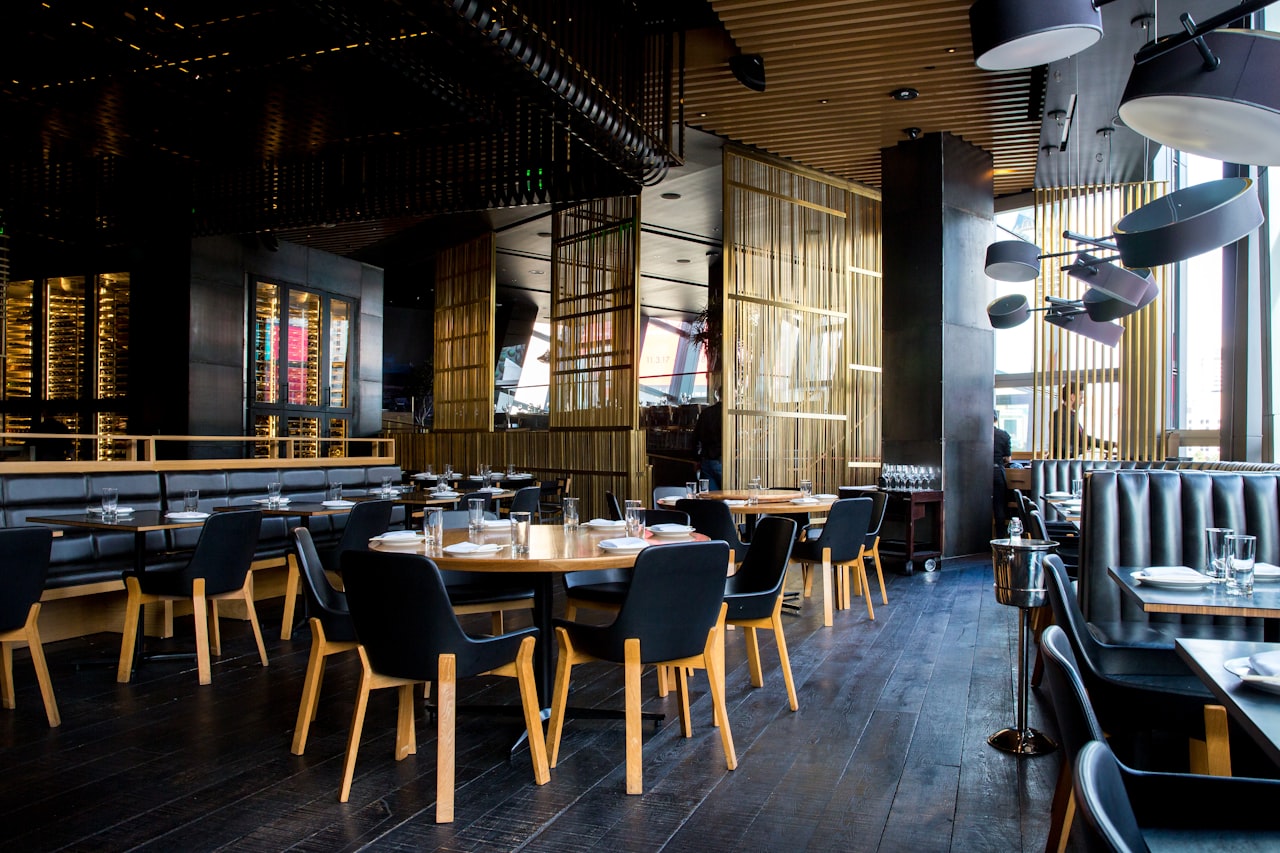
A booked seat that's never filled is one of the quietest losses a restaurant can take. It doesn't make noise like a returned dish or a bad review, but at the end of the month it adds up fast: it's revenue you'll never get back, because that night that table could have gone to someone else. In the United States, during peak weekend hours, no-shows can reach one reservation in five. Let's look at why it happens and how to cut it down.
What an empty table is really worth
Let's do the math. A 4-top with an average check of $35 per person is worth $140 in revenue. If you lose just 3 tables like that over a weekend, that's more than $400 a night gone — and during peak hours you don't replace them, because whoever would have taken that seat has already gone elsewhere. Over a month, that's thousands of dollars evaporating without anyone noticing.
Why people don't show up
It's rarely bad faith. In most cases it's simple forgetfulness, a last-minute change of plans, or a reservation made "just in case" at more than one spot. The key point: the more time passes between the reservation and the night itself, the higher the risk. A reservation made 10 days ahead with no contact in between is the one most likely to fall through.
The levers that actually work
- Automated reminders: a message the day before and the morning of cuts no-shows more than anything else. It has to be simple and friendly, with one tap to confirm or cancel.
- Two-way confirmation: asking for a "Yes, I'll be there" turns a passive reservation into an active commitment.
- Easy cancellation: if canceling is easy, many people do it in time and you resell the table. If it's hard, they simply don't show up.
- Waitlist: when a cancellation comes in on time, a system that calls back whoever was waiting recovers the seat.
Guarantee policies: yes, but in moderation
For large parties and high-demand nights, asking for a card on file or a small deposit is now accepted practice in the US. The golden rule: use it where the risk is high (large tables, events, holidays) and communicate it clearly at the time of booking. For a table for two on a Tuesday night, a good reminder is almost always enough — and it won't risk making the guest feel like they're under scrutiny.
The secret: less friction, not more rules
The venues that cut no-shows the most aren't the ones with the strictest policies, but the ones that make it effortless to confirm or cancel. A guest who gets a nice reminder and can reply with one tap feels looked after, not policed — and comes back more happily.
What you can automate
- Instant confirmation at the time of booking.
- A reminder the day before and a few hours before the table.
- One-tap cancellation that frees up the seat right away.
- Waitlist callback when space opens up.
None of this requires more staff: it requires a system that talks to your guests for you, at the right moments.
With QLF you manage reservations, reminders, and your waitlist automatically →
Un coperto prenotato e mai occupato è una delle perdite più silenziose di un ristorante. Non fa rumore come un piatto reso o una recensione negativa, ma a fine mese pesa eccome: è incasso che non potrai mai recuperare, perché quella sera quel tavolo poteva essere venduto a qualcun altro. Negli Stati Uniti, nelle fasce di punta del weekend, i no-show possono arrivare a una prenotazione su cinque. Vediamo perché succede e come ridurli.
Quanto vale davvero un tavolo vuoto
Facciamo due conti. Un tavolo da 4 con scontrino medio di $35 a persona vale $140 di incasso. Se nel weekend salti anche solo 3 tavoli così, sono oltre $400 a serata persi — e nelle ore di punta non li rimpiazzi, perché chi avrebbe preso quel posto se n'è già andato altrove. Su un mese fanno migliaia di dollari che evaporano senza che nessuno se ne accorga.
Perché le persone non si presentano
Raramente è cattiva fede. Nella maggior parte dei casi è semplice dimenticanza, un cambio di programma all'ultimo, o una prenotazione fatta "per sicurezza" su più locali. Il punto chiave: più tempo passa tra la prenotazione e la serata, più sale il rischio. Una prenotazione fatta 10 giorni prima senza nessun contatto nel mezzo è quella che salta più facilmente.
Le leve che funzionano davvero
- Promemoria automatici: un messaggio il giorno prima e la mattina stessa abbatte i no-show più di qualsiasi altra cosa. Deve essere semplice e gentile, con un tap per confermare o disdire.
- Conferma a due vie: chiedere un "Sì, ci sarò" trasforma una prenotazione passiva in un impegno attivo.
- Disdetta facile: se cancellare è facile, molti lo fanno per tempo e tu rivendi il tavolo. Se è difficile, semplicemente non si presentano.
- Lista d'attesa: quando una disdetta arriva in tempo, un sistema che richiama chi era in attesa recupera il coperto.
Politiche di garanzia: sì, ma con misura
Per i gruppi numerosi e le serate ad alta richiesta, chiedere una carta a garanzia o un piccolo deposito è ormai prassi accettata negli USA. La regola d'oro: usala dove il rischio è alto (tavoli grandi, eventi, festività) e comunicala con chiarezza al momento della prenotazione. Per il tavolo da due di un martedì sera, un buon promemoria è quasi sempre sufficiente — e non rischia di far sentire il cliente sotto esame.
Il segreto: meno attriti, non più regole
I locali che riducono di più i no-show non sono quelli con le politiche più rigide, ma quelli che rendono banale confermare o disdire. Un cliente che riceve un promemoria carino e può rispondere con un tap si sente seguito, non controllato — e torna più volentieri.
Cosa puoi automatizzare
- Conferma immediata al momento della prenotazione.
- Promemoria il giorno prima e poche ore prima del tavolo.
- Disdetta con un tap, che libera subito il posto.
- Richiamo della lista d'attesa quando si crea spazio.
Tutto questo non richiede più personale: richiede un sistema che parli con i clienti al posto tuo, nei momenti giusti.
Con QLF gestisci prenotazioni, promemoria e lista d'attesa in automatico →
Ready to try QLF?Pronto a provare QLF?
Register your business and set up your agent: go live when your venue is ready.Registra la tua attività e configura il tuo agente: vai live quando il tuo locale è pronto.
Register your business →Registra la tua attività →